

How Silicone Leather Is Made: From Raw Materials to Finished Products


As industries increasingly seek durable, sustainable, and high-performance alternatives to traditional leather and synthetic materials, silicone leather has emerged as a preferred choice for applications ranging from furniture and automotive interiors to healthcare and marine environments.
Unlike conventional PU or PVC leather, silicone leather is engineered using advanced silicone technology that delivers superior durability, chemical resistance, stain resistance, and environmental performance. But how exactly is silicone leather manufactured?
In this article, we'll explore the complete silicone leather production process—from raw materials to finished products—and explain why this innovative material is gaining attention across multiple industries.
What Is Silicone Leather?
Silicone leather is a high-performance synthetic upholstery material that utilizes silicone elastomers as the primary surface coating. The material typically consists of a textile substrate combined with multiple layers of silicone compounds that create a flexible, durable, and protective surface.
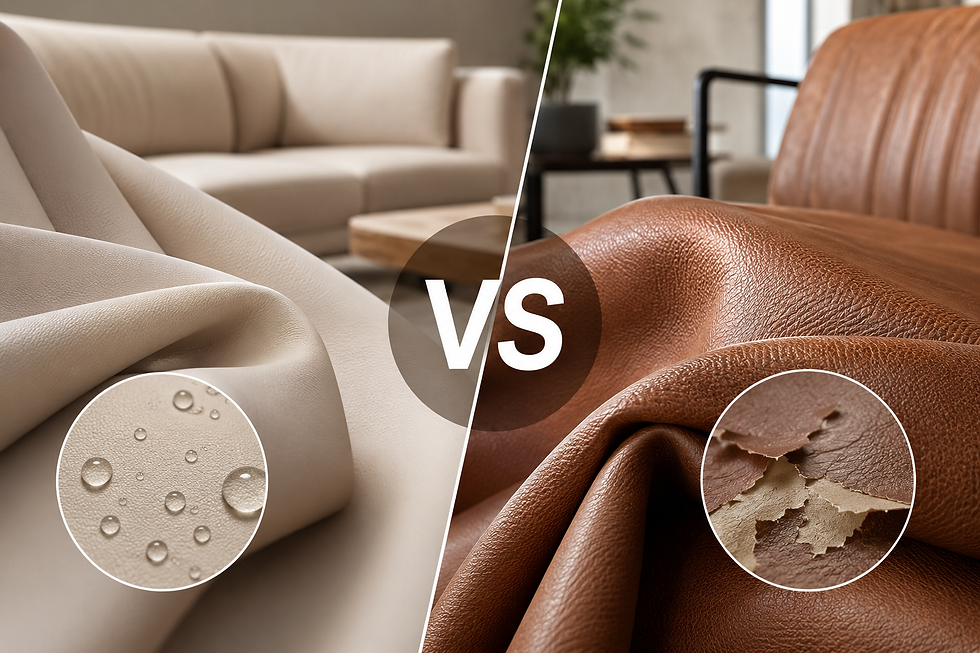
Unlike traditional synthetic leathers that rely heavily on polyurethane (PU) or polyvinyl chloride (PVC), silicone leather offers enhanced resistance to UV exposure, hydrolysis, stains, extreme temperatures, and microbial growth.
These characteristics make it particularly suitable for demanding environments where longevity and easy maintenance are essential.
Key Raw Materials Used in Silicone Leather Production
Before examining the manufacturing process, it is important to understand the main components involved.
1. Silicone Elastomers
The core ingredient is silicone elastomer, a flexible polymer derived from silicon, oxygen, carbon, and hydrogen. Silicone elastomers provide:
Excellent flexibility
UV resistance
Weather resistance
Heat stability
Low VOC emissions
Non-toxic surface properties
These characteristics form the foundation of silicone leather's performance advantages.
2. Textile Substrates
A fabric backing provides structural support and dimensional stability. Common substrate materials include:
Polyester fabrics
Nylon fabrics
Microfiber fabrics
Woven textiles
Non-woven fabrics
The choice of substrate influences the final product's strength, flexibility, and application suitability.
3. Pigments and Additives
Manufacturers incorporate specialized pigments and additives to achieve:
Desired colors
Surface effects
Enhanced abrasion resistance
Flame-retardant performance
Antimicrobial properties
Anti-fouling characteristics
These formulations can be customized according to industry requirements.
The Silicone Leather Manufacturing Process
Step 1: Fabric Preparation
Production begins with selecting and preparing the textile substrate.
The fabric undergoes cleaning and surface treatment to remove contaminants that could interfere with coating adhesion. Some manufacturers also apply primers or bonding agents to improve compatibility between the textile base and silicone layers.
Proper substrate preparation is critical to ensuring long-term durability and preventing delamination.
Step 2: Silicone Formulation and Mixing
The silicone compounds are carefully formulated according to the desired performance specifications.
Engineers blend:
Silicone polymers
Crosslinking agents
Pigments
Performance additives
Processing aids
Precise formulation control ensures consistency in texture, softness, durability, and appearance.
At this stage, manufacturers may create custom formulations tailored for specific applications such as healthcare seating, marine upholstery, automotive interiors, or commercial furniture.
Step 3: Coating Application
The silicone mixture is then applied to the prepared fabric substrate.
Several coating methods may be used, including:
Knife coating
Transfer coating
Roll coating
Precision casting
Multiple coating layers are often applied to achieve the desired thickness and performance characteristics.
Each layer contributes specific functions such as:
Adhesion
Flexibility
Surface protection
Aesthetic appearance
The coating process requires strict control to maintain uniform thickness and surface quality.
Step 4: Curing and Crosslinking
After coating, the material passes through controlled curing systems.
During curing, the silicone molecules undergo crosslinking reactions that transform the liquid coating into a durable, elastic surface.
This stage significantly influences:
Mechanical strength
Elasticity
Abrasion resistance
Chemical resistance
Long-term durability
Proper curing is one of the most important factors affecting the final product's performance.
Step 5: Surface Embossing and Texturing
To replicate the appearance and feel of natural leather or create unique finishes, manufacturers may apply embossing and texturing techniques.
Common surface patterns include:
Leather grain
Smooth matte finishes
Textile-inspired textures
Custom embossed designs
Modern embossing technologies allow manufacturers to achieve highly realistic and consistent surface aesthetics.
Step 6: Quality Testing and Inspection
Before shipment, silicone leather undergoes extensive quality control testing.
Common evaluations include:
Abrasion resistance testing
Tensile strength testing
Tear resistance testing
Color fastness testing
UV aging tests
Hydrolysis resistance tests
Chemical resistance testing
Flame retardancy verification
These tests help ensure the material meets both customer specifications and industry standards.
Why Silicone Leather Is Gaining Popularity
The manufacturing process described above results in a material that offers several notable advantages compared to conventional synthetic leather.
Superior Durability
Silicone leather demonstrates excellent resistance to wear, cracking, and aging, even in high-traffic environments.
Easy Maintenance
Its non-porous surface resists stains and allows for simple cleaning with common cleaning agents.
Environmental Benefits
Many silicone leather products are manufactured with low VOC emissions and without plasticizers commonly associated with PVC materials.
Excellent Weather Resistance
Silicone surfaces maintain performance under prolonged exposure to sunlight, humidity, and temperature fluctuations.
Enhanced Safety
Many silicone leather formulations meet strict standards for indoor air quality, flame resistance, and chemical safety.
Common Applications of Silicone Leather
Thanks to its versatility, silicone leather is widely used in:
Residential and commercial furniture
Healthcare seating and medical environments
Automotive interiors
Marine upholstery
Hospitality projects
Public transportation seating
Educational facilities
Children's products
Its ability to withstand demanding conditions makes it an attractive solution for both indoor and outdoor applications.
Conclusion
The production of silicone leather involves a sophisticated combination of advanced materials engineering, precision coating technologies, and rigorous quality control processes. From carefully selected textile substrates to specialized silicone formulations and controlled curing systems, every stage contributes to the material's exceptional performance.
As manufacturers and designers continue to prioritize durability, safety, sustainability, and user experience, silicone leather is expected to play an increasingly important role across a wide range of industries.
Looking for a Reliable Silicone Leather Supplier?
Choosing the right silicone leather is about more than appearance—it requires understanding performance requirements, application environments, compliance standards, and long-term durability expectations.
Whether you're developing furniture, healthcare seating, automotive interiors, marine products, or commercial upholstery solutions, selecting the appropriate material can significantly impact product quality and customer satisfaction.
Contact our team today to discuss your project requirements, request material samples, or receive expert recommendations tailored to your application. We're happy to help you explore the most suitable silicone leather solutions for your business.


Comments